LUMO:
Character Consistency with
Generative AI
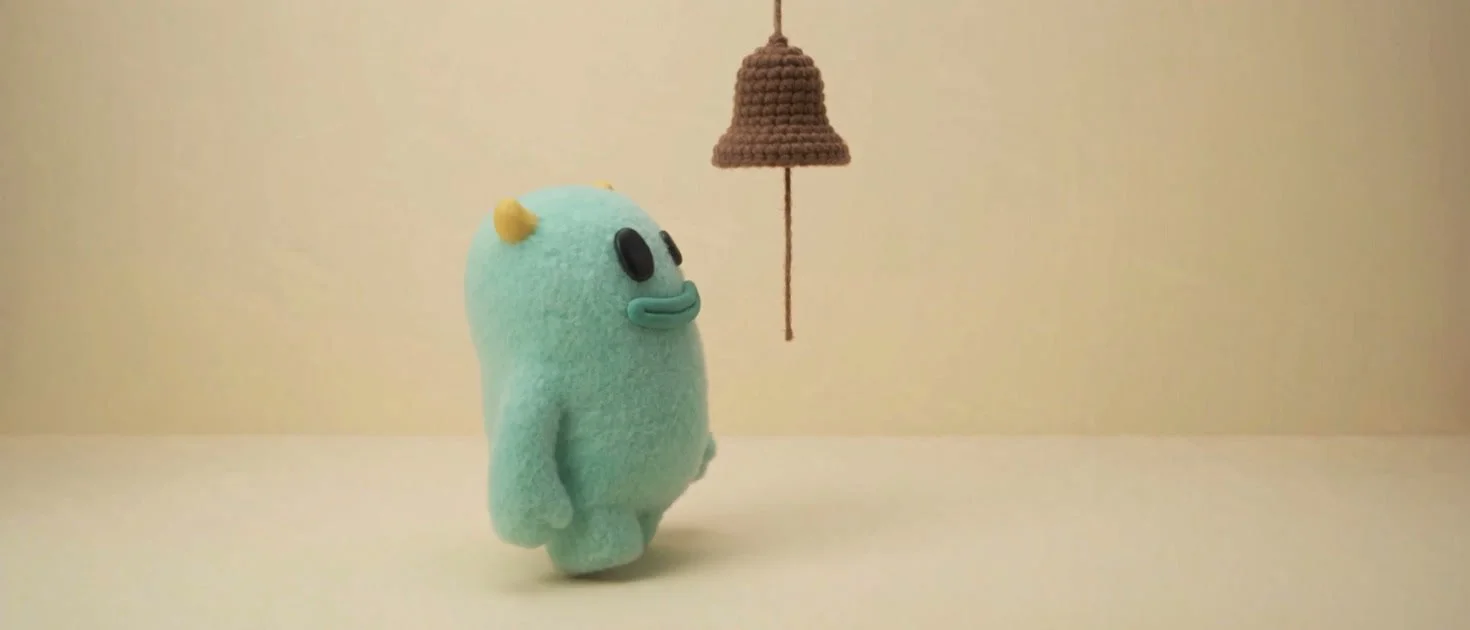
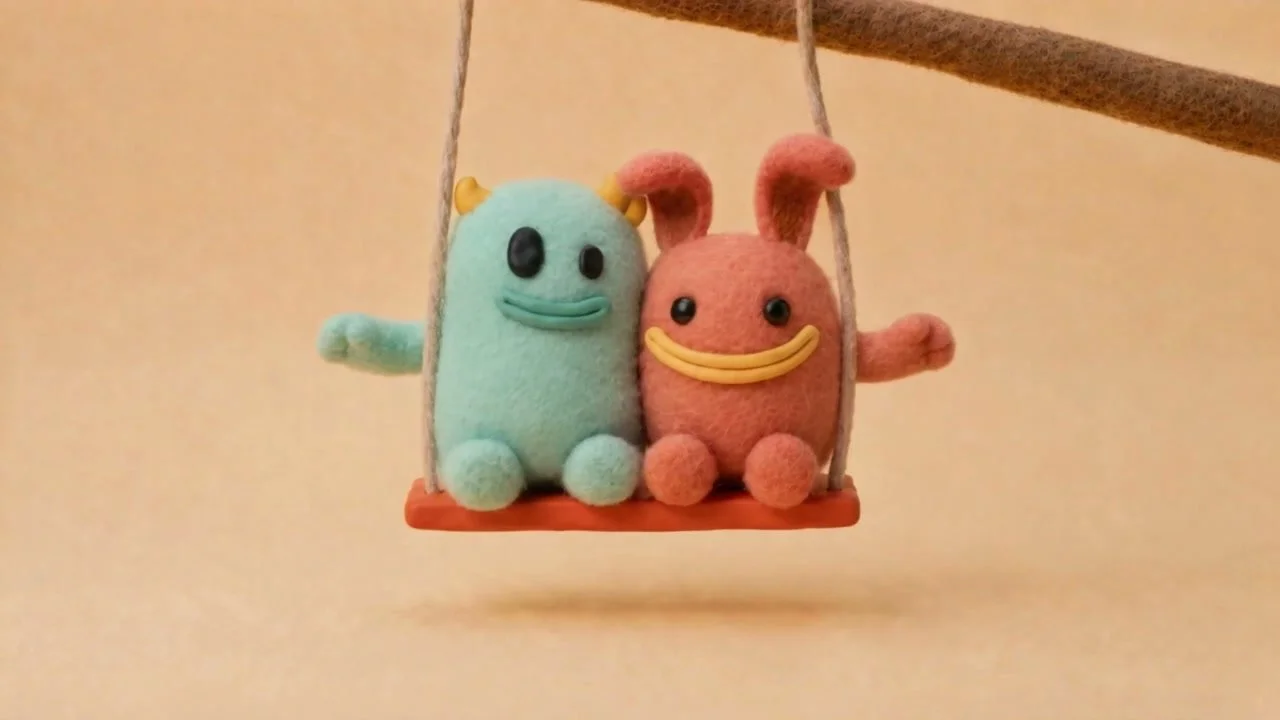
Lumo is an animated series I'm developing for kids ages 3 to 5, to help them understand feelings they don't yet know how to explain. Lumo and his friends, Pip and Boo, explore topics like sharing, taking turns, and getting along through short stories.
I'd had a vision for these characters and their world for a long time: soft felted materials and touches of clay in a way that's slightly creepy yet welcoming. I wanted the charm and energy of claymation, with soft but distinctive color, approachable personalities, and thoughtful character development at the heart of it.
I used generative AI tools like Codex and Krea to develop key images and turnarounds of the cast and begin animating their stories using Seedance (via Krea). The biggest challenge was keeping the characters consistent from one generation to the next, while creating the expressions and movement that give them soul and carry each story's message.
TAKING TURNS
Lumo and Pip both want the swing. This excerpt from the second episode follows their attempt to ride it together.
FINDING LUMO
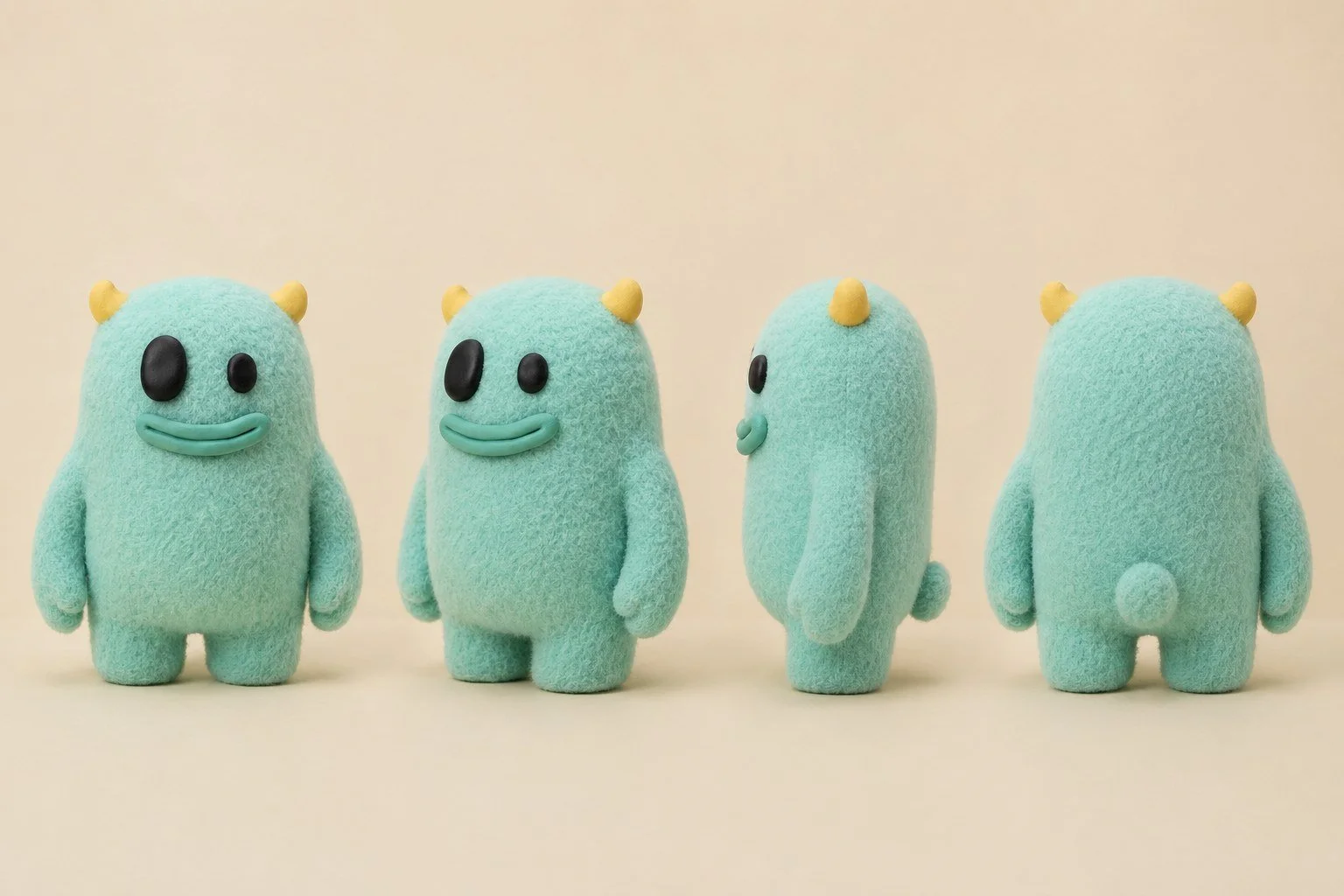
I developed Lumo through repeated image generation, gradually bringing him closer to the character I'd imagined. One version had mismatched eyes, something I hadn't asked for but decided to keep. That asymmetry became one of the details that made him recognizable.
Once his appearance felt right, I built a turnaround and model sheet to capture the features that needed to stay consistent. Those references let me explore new poses and angles while holding onto the character I'd chosen.
THE
GANG
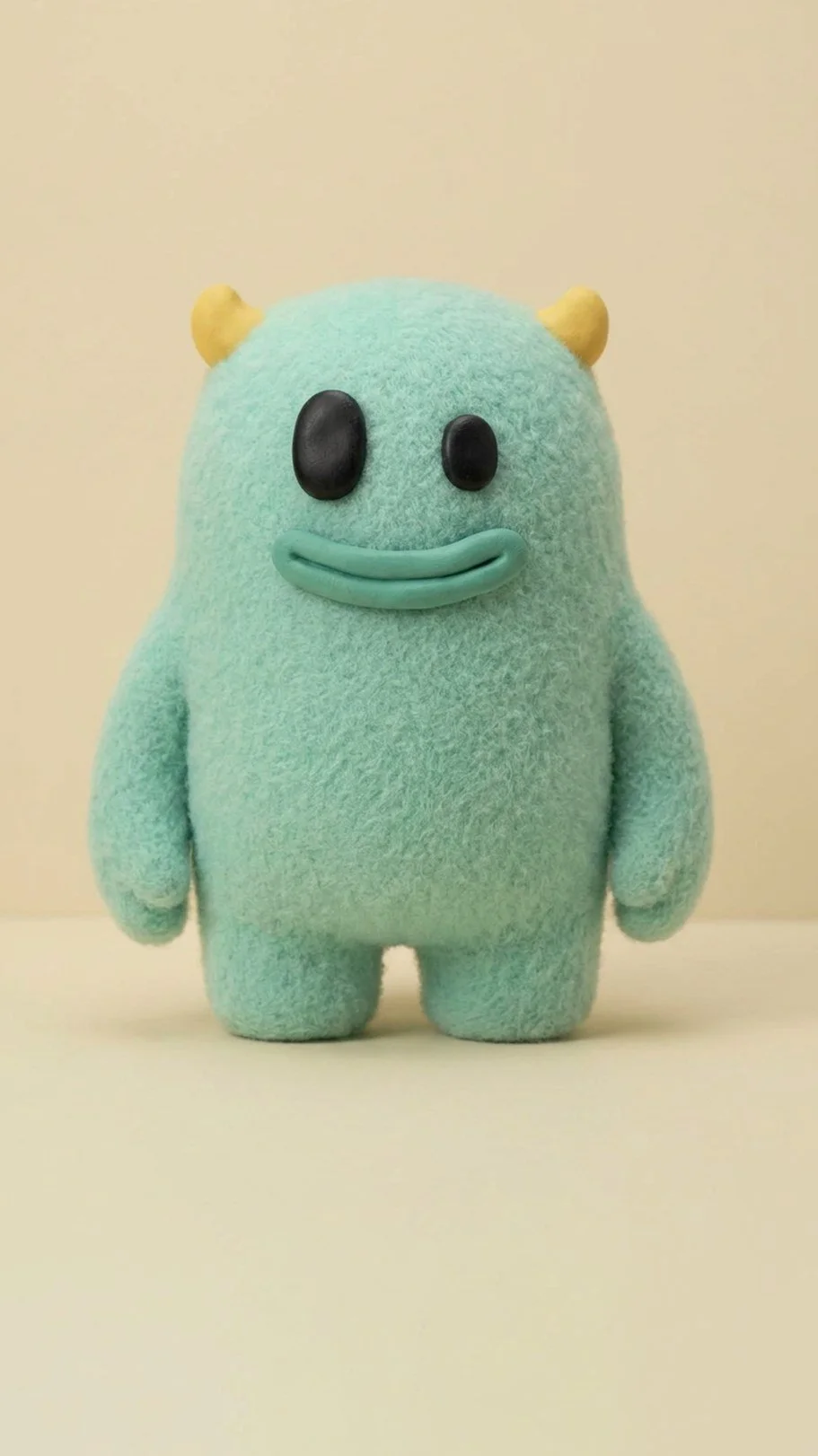
Lumo
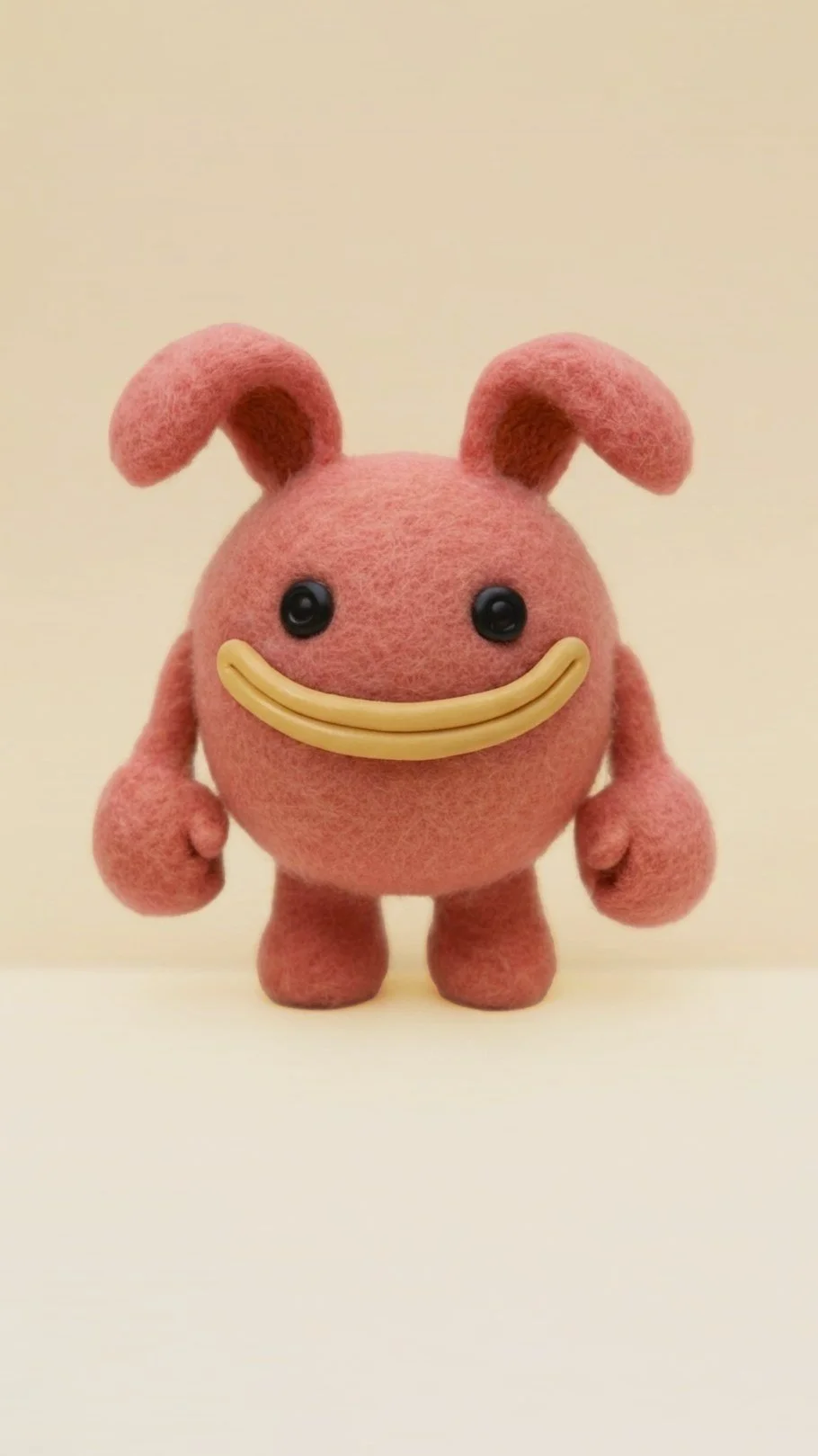
Pip
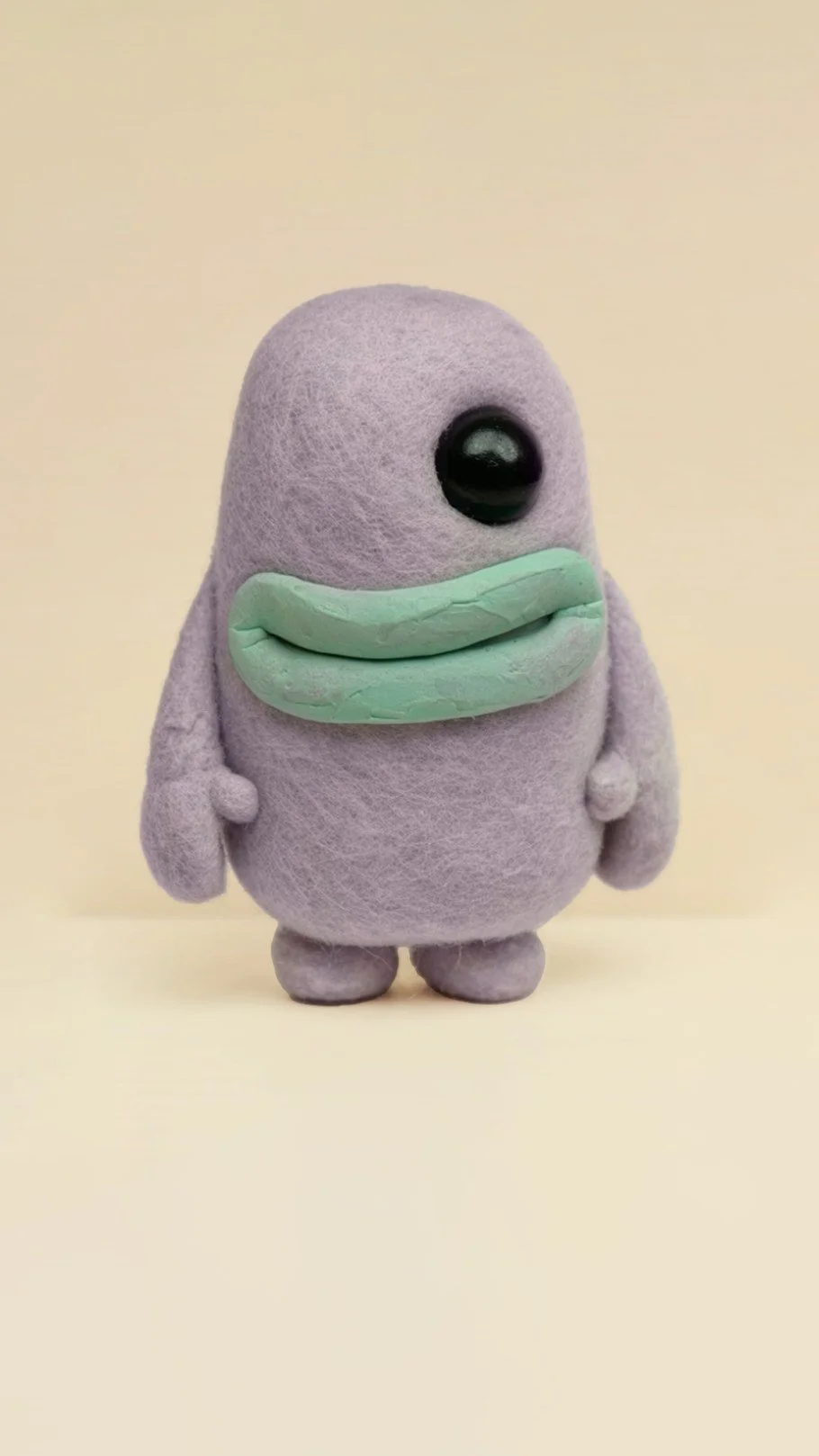
Boo
Pip and Boo needed personalities of their own while still feeling like they belonged beside Lumo. I carried the felted surfaces and clay details across the cast, then gave each character a distinct shape and face.
The yellow of Lumo's horn nubs reappears in Pip's mouth, while Boo's oversized eye gives him a different focal point. Those smaller connections help the cast feel like a group without taking away what makes each character distinctive.
Keeping
Character
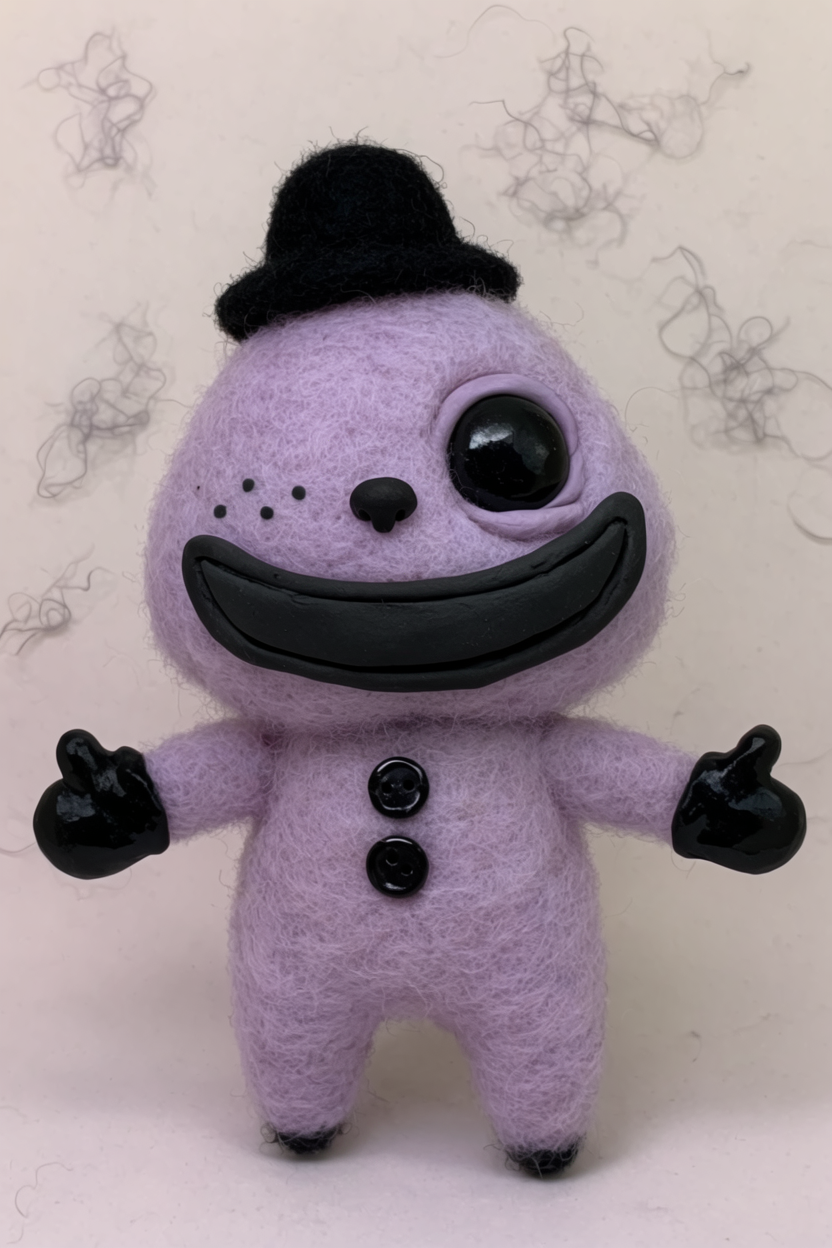
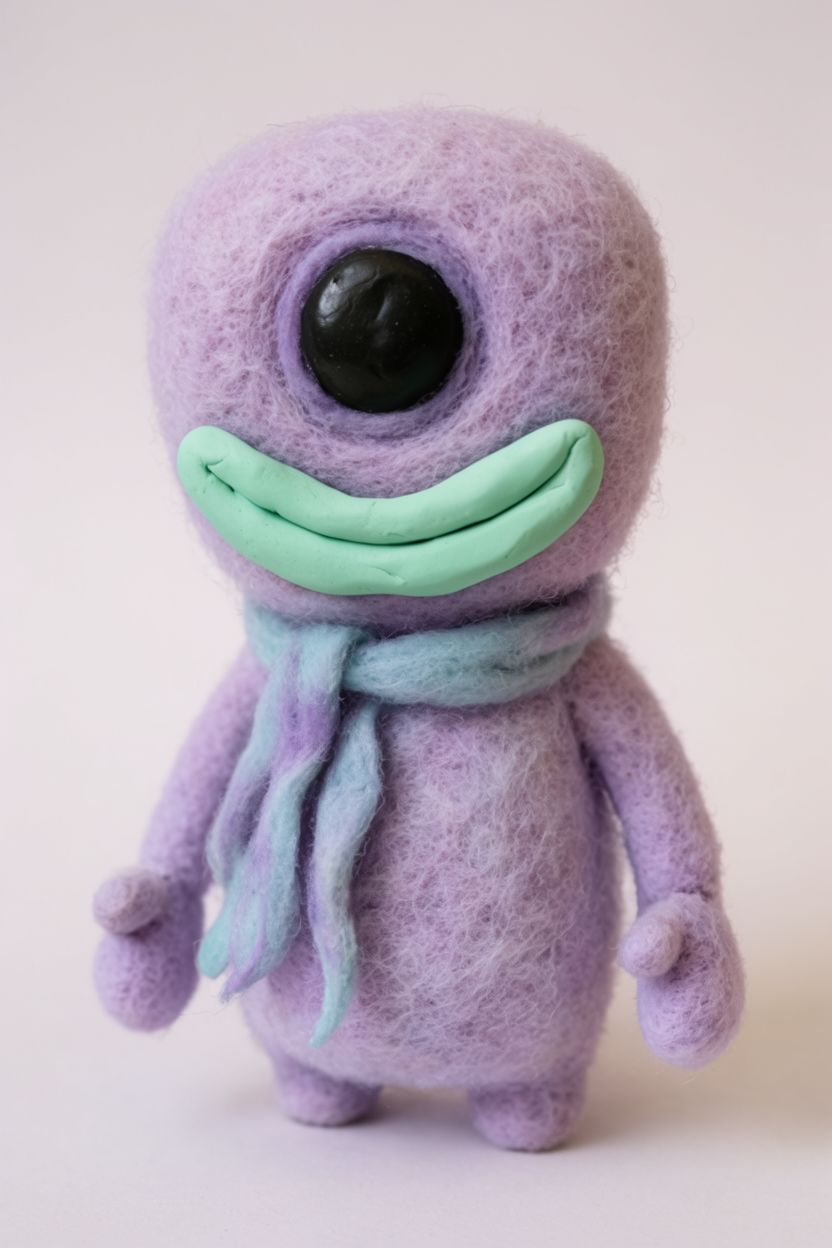
To develop the initial cast, I used Claude to workshop and refine the prompts, then submit them through the Krea connector. The prompt recipes helped establish the cast, but many of the generated images along the way introduced unprompted details. These deviations helped me refine the directions and develop their expressions and movement while holding onto their designs and preventing character drift.
A makeover Noboby asked for
Throughout the iterations, Boo picked up a hat, scarf, nose, and even freckles at one point. Some of the results were interesting, but they pulled him away from the character I’d developed.
I used those results to make his character brief more specific. The unwanted additions became explicit exclusions, giving the next generation less room to reinterpret him. That gave me more consistent results to build from.
Long Tail, Short Tale
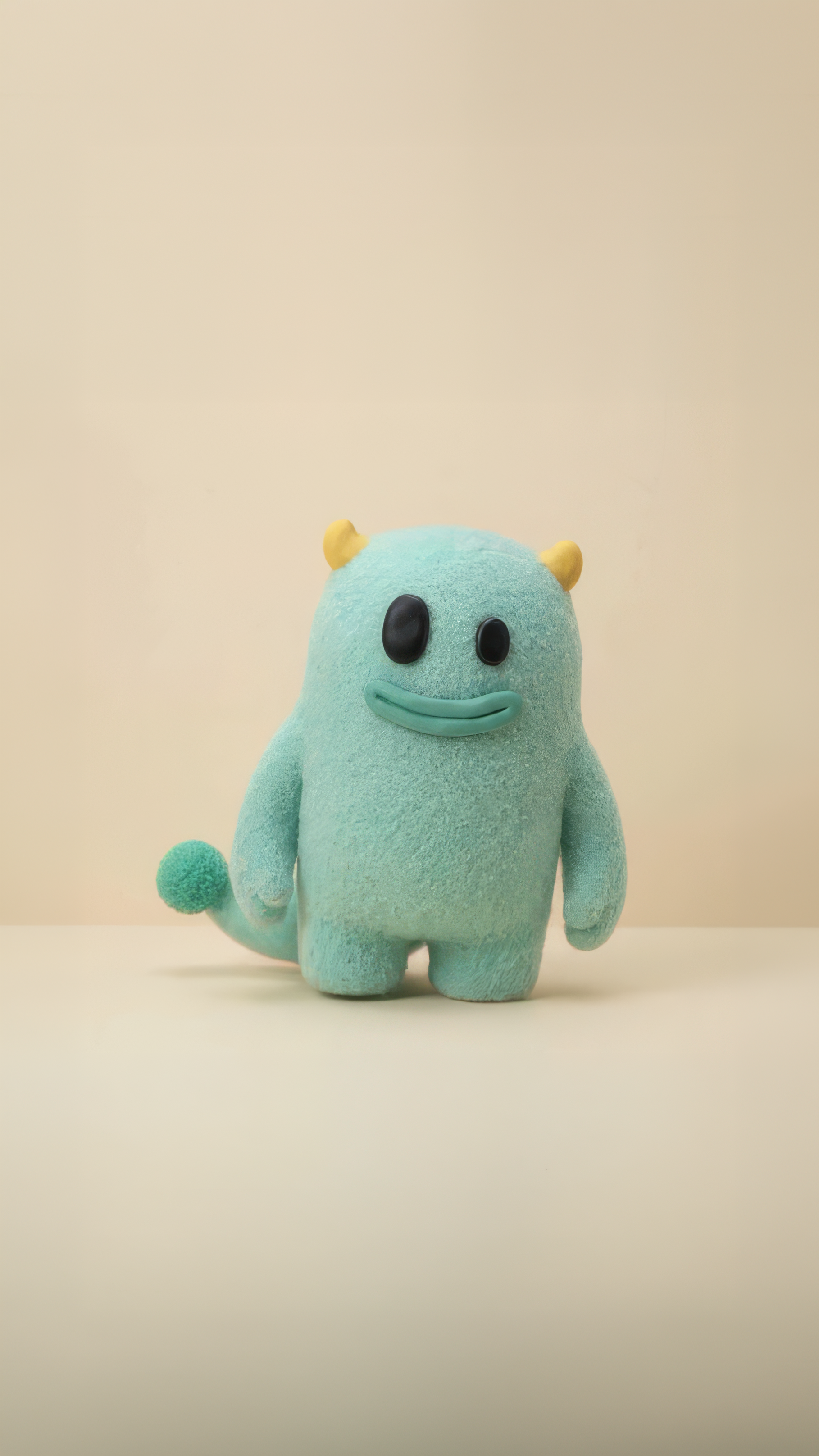
While developing Lumo’s movement studies, Claude added a small pompom-tail wag to the prompt. The prompt was asking the model to show an action happening out of sight, leading it to prioritize making the action visible over keeping the character design intact. That resulted in Lumo suddenly growing a long, curved tail that extended into view.
Removing reference to the tail but keeping the other motion directions in the prompt, I was able to nail down his signature movements and expressions, maintaining character consistency across models and tools.
Cast of Characters
Pip and Boo needed personalities of their own while still feeling like they belonged beside Lumo. I carried the felted surfaces and clay details across the cast, then gave each character a distinct shape and face.
The yellow of Lumo's horn nubs reappears in Pip's mouth, while Boo's oversized eye gives him a different focal point. Those smaller connections help the cast feel like a group without taking away what makes each character distinctive.
Bringing Lumo to Life
Being left out, getting angry, learning to share, or trying to say sorry can feel enormous when you're four. That's the scale I want these stories to work at: everyday situations that matter deeply to the kids experiencing them.
With a recognizable cast and a visual world in place, I can keep developing those moments into stories. I want kids to see something familiar in Lumo, Pip, and Boo, and to recognize their own feelings in the challenges the characters face and the ways they work through them.